CPD for Doctors in Kazakhstan 2026: Earning 210 Credits Over 5 Years

Complete guide to Continuing Professional Development (CPD) for healthcare workers in Kazakhstan: the 210-credit-over-5-years requirement, full CPD credit rates, and the four conditions for qualification level confirmation.
210 CPD credits over 5 years. That is how many credit units every physician in Kazakhstan must now accumulate to have their qualification level confirmed, under the updated regulations of the Ministry of Health (Order No. ҚР ДСМ-283/2020 as amended on December 18, 2025) that took effect on January 5, 2026. Without documented CPD — continuing professional development — the specialist certificate cannot be reissued, and Kazakhstan law does not permit practising a specialty on an expired certificate.
One hour of a formal upskilling course earns 1 credit unit. One day at an international congress earns 40. A single article in a Q1 Scopus journal earns 180 — enough to almost cover the entire five-year requirement. Below is the full credit rate schedule from Appendix 1 to the Rules, the four requirements for qualification-level confirmation, and how to reach 210 credits without last-minute scrambling.
A terminology note: the Russian text of the regulation uses "зачётная единица" (ЗЕ) and the Kazakh text uses "сынақ бірлігі" (СБ). Both are the local equivalents of what international practice calls a CPD credit. In this guide we use "credit" throughout.
How much and over what period
There is a single, simple numeric norm:
No fewer than 210 credit units over the last 5 years (Rules, clause 14).
That works out to an average of 42 credits per year — but the law does not require even distribution across years. Only the five-year total matters. A physician can front-load one year and taper off, or the reverse.
What earns credits — the full schedule
The Rules divide qualifying activities into three chapters. Below is the exact schedule from Appendix 1.
Chapter 1 — Additional formal education
| Activity | Credit rate |
|---|---|
| Certified upskilling cycle in the physicians specialty | 1 hour = 1 credit |
The most "grinding" option per unit of effort, but the most reliable and universally accepted.
Chapter 2 — Non-formal education
| Activity | Credit rate |
|---|---|
| Internship in Kazakhstan (regional / municipal / republic-level) | 1 week = 10 credits |
| International-level internship | 1 week = 30 credits |
| In-person seminars, trainings, masterclasses | 1 hour = 0.5 credits |
| Webinars, online courses, distance learning | 1 hour = 0.5 credits |
Chapter 3 — Additional competencies
Participation in congresses, conferences, and professional gatherings:
| Level | Attendance | Speaking |
|---|---|---|
| Regional / municipal | 1 day = 5 credits | +10 credits |
| Republic-level | 1 day = 10 credits | +50 credits |
| International | 1 day = 40 credits | +100 credits |
Publications (first or sole author):
| Publication type | Credits |
|---|---|
| Monograph | 180 |
| Textbook | 180 |
| Manual, methodological recommendations | 30 |
| Article in a journal listed by the KOKNVO quality committee | 20 (first 3 authors) |
| Article in republic-level or foreign journals outside the KOKNVO list | 10 (first 3 authors) |
Articles indexed in Scopus / Web of Science / Springer:
| Quartile | Credits |
|---|---|
| Q1 | 180 |
| Q2 | 150 |
| Q3 | 120 |
| Q4 | 90 |
Other outputs:
| Output | Credits |
|---|---|
| Republic-level patent | 60 |
| International patent | 180 |
| Intellectual property certificate of Kazakhstan | 30 |
| Mentorship (per year, for students at healthcare educational organisations) | 10 |
Fastest routes to 210 credits
The math is clear: the highest-return activities are scientific output and international conferences. A single Q1-journal article covers almost the entire five-year quota. One day at an international congress earns as many credits as 40 hours of in-person seminars.
For most practising physicians, however, the realistic mix looks like this:
- A formal upskilling cycle (e.g., 108 hours = 108 credits) — closes half the requirement in one cycle.
- Republic-level conferences — two or three 2-day events = 40-60 credits.
- Webinars and online courses — steady background flow, 0.5 credits per hour.
Activities from Chapters 1-3 can be combined in any proportion — the Rules do not impose a required minimum per chapter.
The four conditions for qualification-level confirmation
Accumulated credits are only one of four requirements for a qualification level to be assigned or confirmed (clause 12 of the Rules):
- A diploma of education corresponding to the claimed level.
- A professional preparation assessment result issued by an accredited assessment organisation (procedure governed by Order No. ҚР ДСМ-249/2020).
- A report of professional activity — evidence that the specialist has performed duties consistent with the claimed qualification, either from the electronic services registry or from a written report signed by a supervisor.
- Confirmed CPD results — validated by the personnel service and the head of the healthcare organisation (private-practice specialists validate their own).
Any one of these four missing means the qualification level cannot be confirmed.
How credits are validated
All supporting documents — course certificates, conference attendance records, publication copies, patents — are submitted to the personnel service and the head of the healthcare organisation where the physician works. They calculate the credits using the schedule from Appendix 1.
Physicians in private practice and pharmaceutical specialists validate their results themselves, using the same criteria.
Handling perpetual category certificates
If a physician holds a perpetual certificate of a qualification category (highest, first, or second), that certificate is re-issued as a specialist certificate at the equivalent qualification level — with no need to pass professional preparation assessment (clause 19 of the Rules).
Separately: if a category certificate expired after January 1, 2021, the specialist qualifies for the equivalent level without the knowledge assessment or case-testing stage (clause 12).
International education
Additional education obtained at foreign institutions ranked in the top 250 positions of at least two of the three international academic rankings — QS World University Rankings, Academic Ranking of World Universities (ARWU), and Times Higher Education — is recognised in Kazakhstan upon presentation of the original document (clause 15 of the Rules).
Where to find CPD-qualifying activities
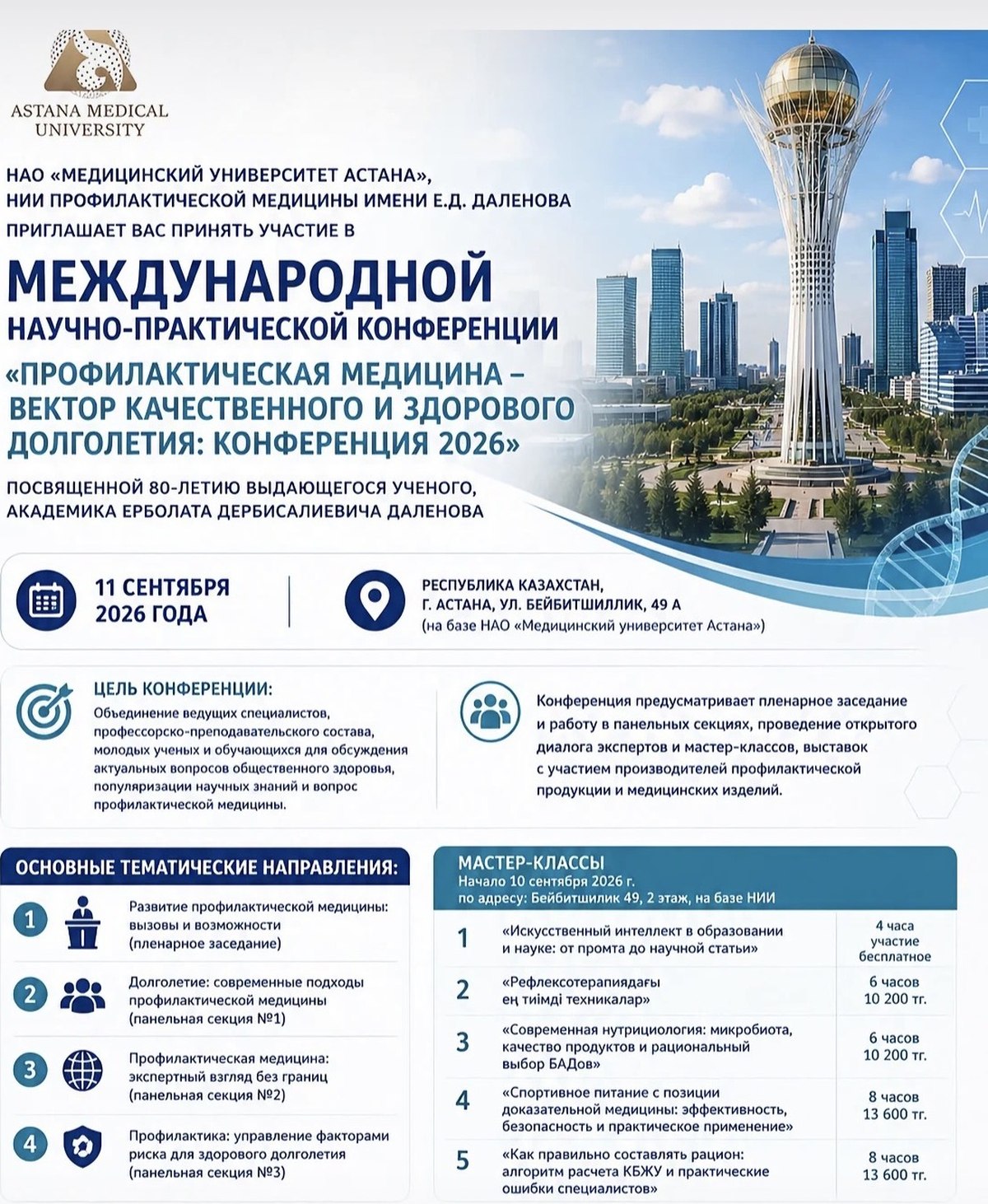
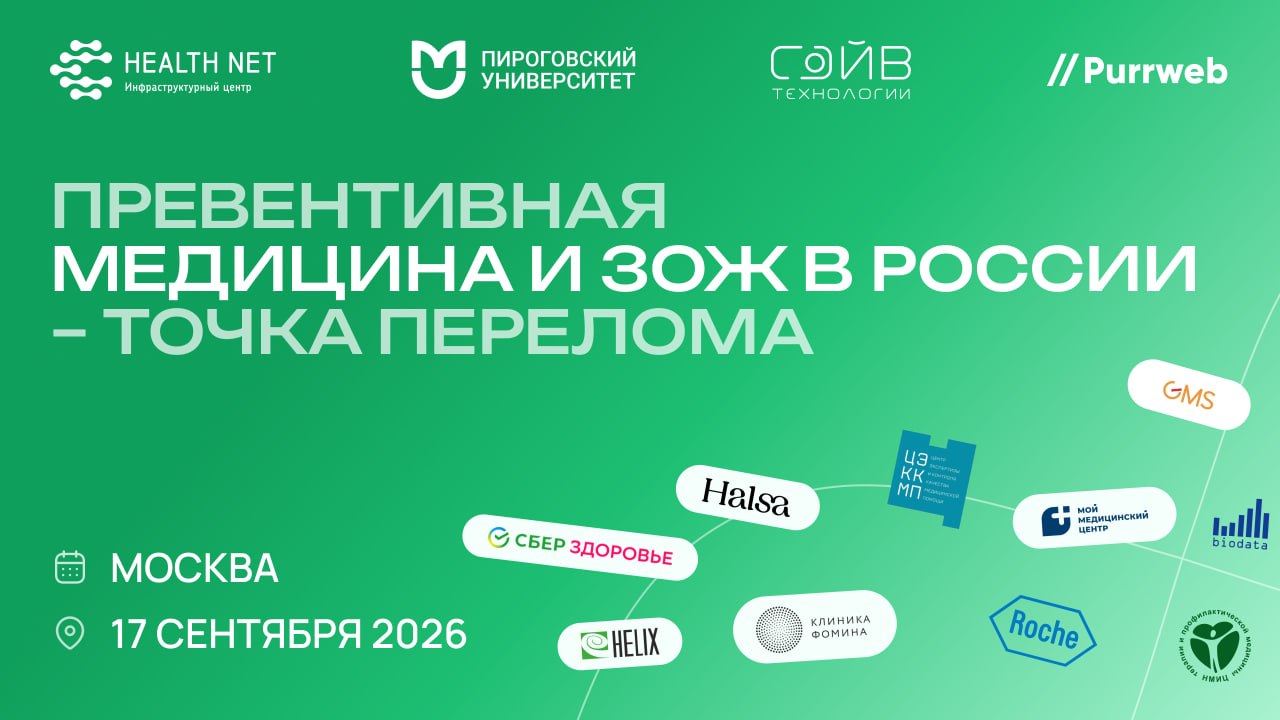
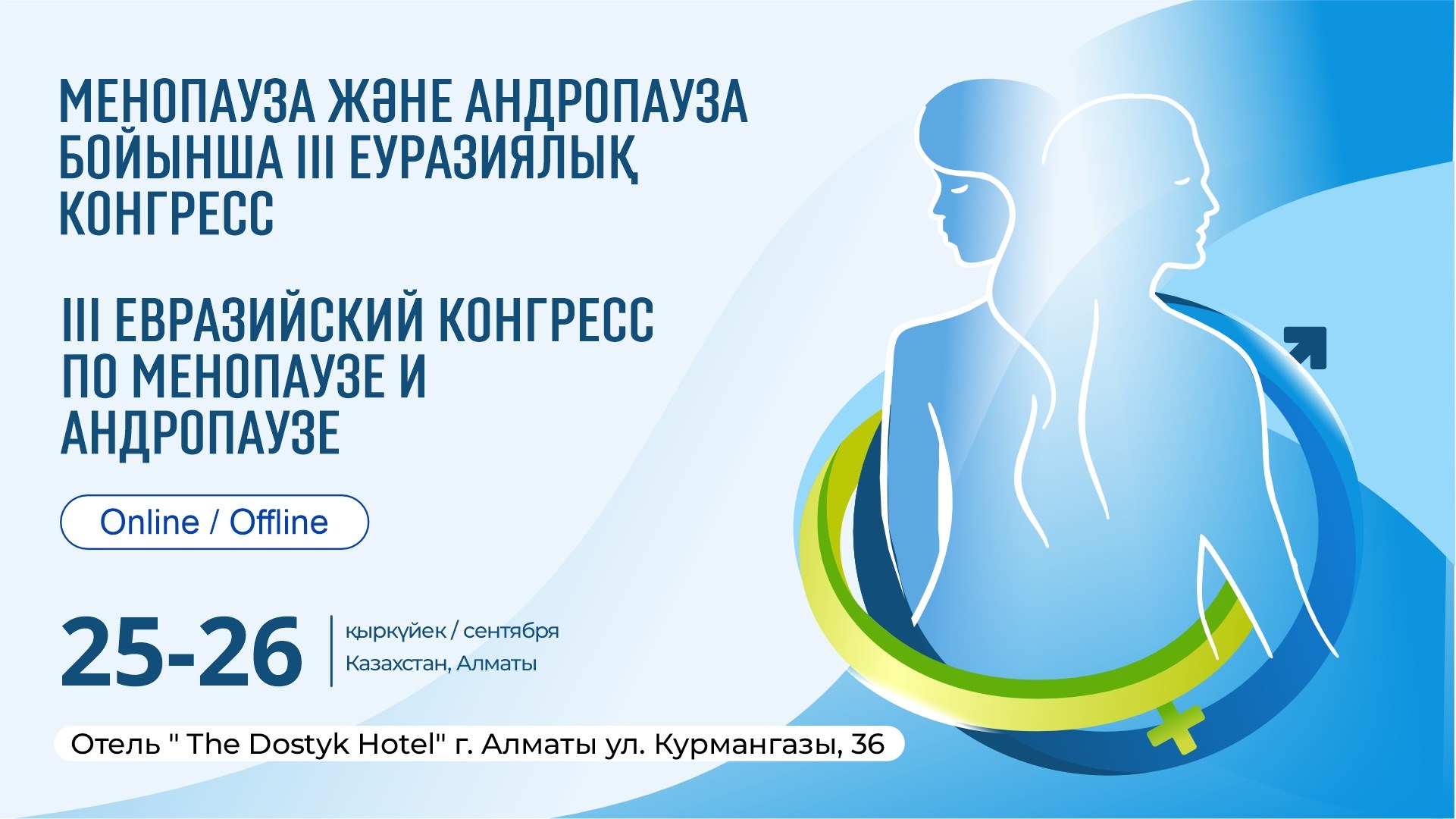
Events across Chapters 1-3 — courses, seminars, conferences, congresses, masterclasses, webinars — run regularly in cities across Kazakhstan. Their consolidated calendar is on the medevent.kz home page, with filters by city, event type, and month.
Things to double-check before counting credits:
- The events name and level (regional / republic / international) — this determines the rate.
- Alignment with the physicians specialty profile — all rates apply only to activities "in accordance with the claimed specialty profile."
- Availability of supporting documentation — no certificate, publication, or patent = no credits.
Sources
- Ministry of Health Order No. ҚР ДСМ-283/2020 — "On approval of the Rules for confirming CPD results, assigning and confirming the qualification level of healthcare workers." The primary document. All credit rates come from Appendix 1.
- Ministry of Health Order No. 167 of December 18, 2025 — most recent amendments to Order No. ҚР ДСМ-283/2020. Effective January 5, 2026. The current consolidated version is available on the Rules text at adilet.zan.kz.
- Code of the Republic of Kazakhstan "On the Health of the People and the Healthcare System" — Article 7, clause 41 (legal basis for the CPD Rules).
- Ministry of Health Order No. ҚР ДСМ-249/2020 of December 11, 2020 — Rules for the assessment of student knowledge and skills, and of the professional preparation of healthcare specialists (used at step 2 of qualification confirmation).
- Ministry of Health Order No. ҚР ДСМ-218/2020 of November 30, 2020 — List of specialties and specializations subject to certification of healthcare specialists.
- Rules of additional and non-formal education of healthcare specialists — parallel order governing requirements for organisations that deliver upskilling programs.
Cover photo: Bermix Studio / Unsplash