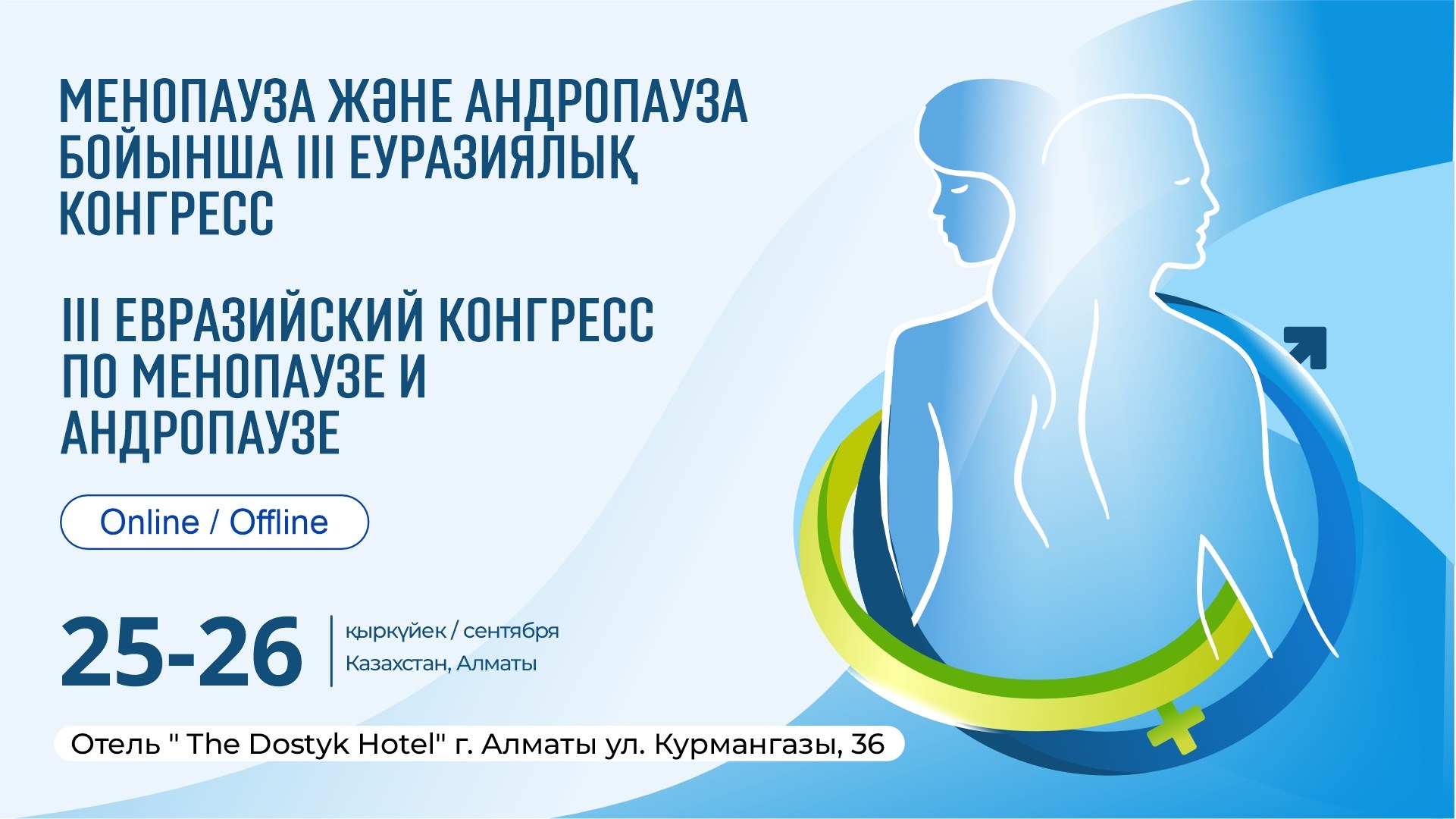
International Medical Conferences: 40 CPD Credits a Day and How to Prove It
A day at an international congress is 40 credits; a presentation is 100 — the most valuable line in the CPD tariff. Why the international level is worth eight times the regional one, what counts as international significance, and the constraint that stops one trip from covering the norm.
One day at an international congress is 40 CPD credits. A presentation there is 100. It is the most valuable line in the entire CPD tariff: a three-day international event with a presentation earns 220 credits — more than the full five-year norm of 210.
Below: why the international level is valued eight times higher than the regional one, what counts as "international significance", and the constraint that stops a single trip from covering the whole norm.
Terminology note: the Russian text of the CPD regulation uses "зачётная единица" (ЗЕ) and the Kazakh text uses "сынақ бірлігі" (СБ). Both are Kazakhstan's local names for what international practice calls a CPD credit. We use "credit" throughout.
The tariff: an eightfold gap
| Event level | 1 day of attendance | Presentation |
|---|---|---|
| Regional, municipal | 5 credits | 10 credits |
| National | 10 credits | 50 credits |
| International | 40 credits | 100 credits |
Source: Annex 1 to the Rules for confirming CPD results, chapter 3, criterion 5.
For comparison — what it takes to earn the same 40 credits by other means:
- 80 hours of webinars (1 hour = 0.5 credits);
- 40 hours of a professional development cycle (1 hour = 1 credit);
- 8 days at a regional conference;
- 4 days at a national one.
International events carry a second effect that the tariff table does not make obvious: an internationally significant clinical placement is valued at 30 credits per week, against 10 credits per week for a regional, municipal or national one.
What counts as "international significance"
This is where the uncertainty begins, and it is more honest to say so plainly: the Rules contain no definition of an international event level. The annex grades events as "regional or municipal / national / international", but the criteria for assignment — number of participating countries, composition of organizers, working language — appear nowhere in the document.
In practice the level is declared by the organizer: in the programme, in the event regulations, and in the participant document. As supporting documentation the Rules name "a participant document and (or) the conference programme indicating the presenter's full name, topic, venue, organizer and date".
The practical consequence: if the word "international" appears in neither the programme nor the certificate, justifying forty credits instead of ten falls on you. It is worth settling the wording with the organizer before the event rather than after.
The usual markers organizers rely on when calling an event international are speakers from other countries, being held under the auspices of an international professional association, and the phrase "with international participation" in the title. But to repeat: none of this is fixed in the regulation.
The constraint that rules out a single-trip solution
The temptation is obvious: attend one major congress and close out the five-year cycle. It does not work, and here is why.
The 210-credit norm is not the only requirement. Inside it sits a mandatory floor for professional development cycles, and conferences do not satisfy it, because they belong to a different chapter of Annex 1:
| Category | Minimum professional development hours | Minimum non-formal education and additional competencies |
|---|---|---|
| Second | 150 credits (hours) | 60 credits |
| First | 120 credits (hours) | 90 credits |
| Highest | 60 credits (hours) | 150 credits |
Attendance at conventions, congresses and conferences goes into the right-hand column — "additional competencies". For the second category the ceiling on that column is 60 credits, and anything beyond it changes nothing.
International events are therefore most valuable to those going for the highest category: it requires 150 credits of additional competencies, and four days at an international congress covers almost that entire floor.
Presenting rather than attending
The gap between attending and presenting at an international event is the largest in the tariff: 40 versus 100 credits. At national level the gap is also substantial, 10 versus 50.
To confirm a presentation, the conference programme must show the presenter's full name and the topic — this is listed directly in the supporting-document requirements. In that case a scheduled programme naming you as a speaker matters more than a participant certificate.
The publication route sits alongside it: an article in a journal indexed in Scopus, Web of Science or Springer is valued from 90 credits (Q4 quartile) up to 180 (Q1). Speaking at an international conference and publishing afterwards is the fastest legitimate credit trajectory available.
What to settle before you travel
- Which event level will appear in the programme and in the participant document.
- Whether the documents will carry your name, the topic, venue, organizer and date.
- Whether the subject matter matches the profile of your declared specialty — a requirement repeated in nearly every criterion of Annex 1.
- If you plan to present — whether it will appear in the official programme with the presenter named.
This material is for reference only. The current version of the Rules and annexes is published at adilet.zan.kz. Requirements may change: the order was amended in 2024 and 2025.